The Boo Budget: Seven Minutes Backstage With Nottingham’s Panto Dame
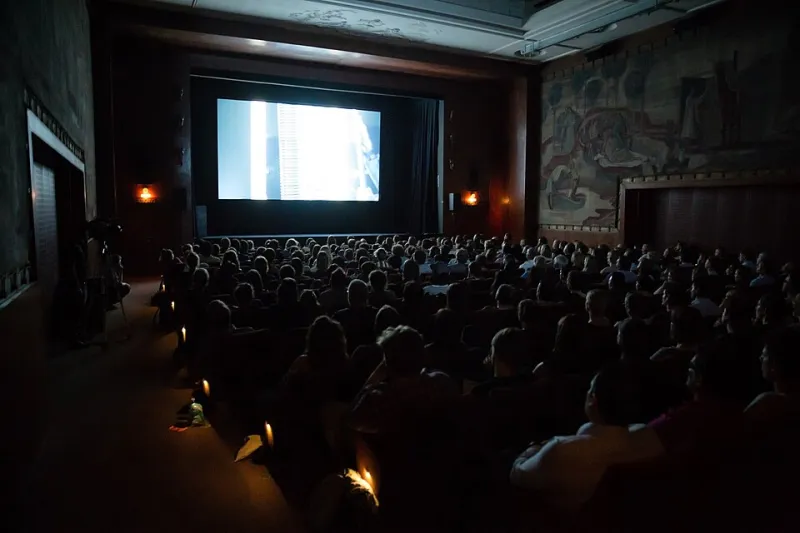
At 12.47pm on a grey Nottingham Wednesday, the theatre foyer is a sea of fluorescent tabards and packed lunches. Two coach parties have arrived from opposite sides of the city, one group buzzing from Bulwell, the other slightly more sedate from Beeston. A teacher is counting heads with the focused expression of someone defusing a small, noisy bomb. Somewhere behind the double doors, a panto dame is warming up her boos.
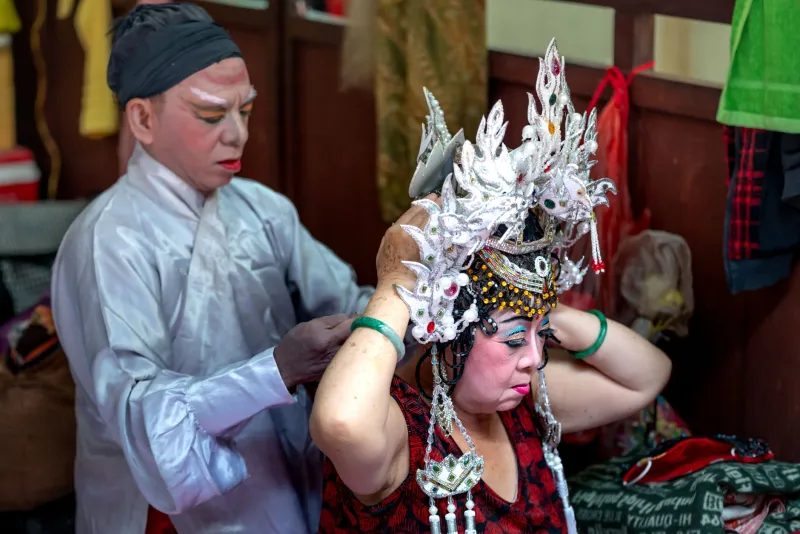
I am led through a corridor that smells of hairspray, mint imperials and the particular dust of old velvet. In a dressing room lined with wigs on stands, Dame Maggie Mistletoe is adjusting a sequinned shoulder pad the size of a tea tray. She has been playing dame for more than a decade, and today’s school matinee is, she says, the real test of the 2026 season.
‘Evening audiences are lovely,’ she tells me, dabbing powder under one eye. ‘But school matinees? They haven’t learned to be polite yet. They will tell you exactly what they think. It’s terrifying and brilliant in equal measure.’
The Warm-Up Is Not For the Children
Maggie’s pre-show routine is not the usual actorly humming and tongue-twisters. Yes, there is a vocal warm-up — a series of exaggerated yawns and lip trills that sound like a very glamorous diesel engine. But there is also what she calls the boo budget.
‘You’ve got about seven minutes as the villain before you lose them,’ she explains. ‘If you go too soft, they get bored. If you go too scary, you get tears and a teacher at the side of the stage giving you a look. The trick is to make them feel like they’re getting away with something.’
She checks the sightlines from the wings, peering past a painted forest flat. The hall is already filling with the low roar of four hundred children discovering that theatre seats fold up and down. Maggie watches them for a moment. ‘See that one in the red coat? She’s going to be my loudest boo. You can always tell.’
Seven Minutes to Lose the Room
The villain’s entrance is timed to a drumbeat and a puff of dry ice. Maggie sweeps on in a black-and-silver costume that looks like it was stitched together from Quality Street wrappers and pure spite. The boos start before she has said a word.
She holds up one gloved hand. The noise dips, then rises again. She waits. ‘I can hear you,’ she says, drawing out each word like she is disappointed in the entire county. ‘And I don’t care.’
The children detonate. Maggie does not smile, but her eyes are doing something joyful behind the make-up. This is the seven-minute villain section: entrance, taunt, a plot point about a stolen recipe, one quick ad-lib about the teacher in row C, and an exit that leaves the room wanting more. She will tell me afterwards that the ad-lib is never planned, but the pause before it absolutely is.
‘You need a breath where they think you might reply,’ she says. ‘If you rush, it’s just noise. If you wait, they lean in. That’s when you can say something like, “I see the good people of Bulwell have brought their volume with them.” They lose their minds.’
Today, she spots a child in a Trent Bridge cricket cap and tells him his hat is ‘the only thing in this theatre that isn’t frightened of me.’ The boy beams. The teachers laugh. The booing continues, happier now.
The Quick Change Behind the Boos
After her exit, the real choreography begins. Maggie has thirty-eight seconds to change from villain to a good-hearted local busybody, and the dresser waiting in the wings has the calm of a bomb disposal expert. There are no zips after 2pm. Magnets, poppers, a skirt that fastens with one satisfying snap. The wig goes on a stand, the gloves go into a bucket, and Maggie steps into a floral pinny that has been pressed to within an inch of its life.
‘You get one breath,’ she says, already moving. ‘And then you’re on again. The kids don’t care that you’re tired. They want the story.’
This is the bit the audience never sees: the dresser mouthing the next line, the stage manager holding a bottle of water with a straw, the whisper of ‘you’ve got this’ from a chorus member who is about to be a talking tree. It is a local tradition held together by tiny, invisible choices.
The Bit After the Boos
At curtain call, Maggie gets the loudest cheer of the afternoon. The same children who were booing her ten minutes earlier are now singing along to the finale. One small girl in the front row tells her, very seriously, that she ‘wasn’t really bad, was she?’
‘That’s the whole job,’ Maggie says later, back in the dressing room with a cup of tea and one sequin stuck to her cheek. ‘They have to believe you’re awful, and they have to know you’re safe. It’s a contract. I do the shouting, they do the booing, and everybody goes home happy.’
Outside, the coaches are pulling away into the Nottingham drizzle. Inside, the next audience is already filing in. Maggie checks her wig, adjusts a shoulder pad, and heads back towards the wings. Seven minutes, give or take. It’s time to be the villain again.